Fleet vehicles generate revenue only when they are available, dependable, and operating efficiently. A missed delivery, roadside breakdown, or vehicle held in the shop can disrupt schedules, delay employees, and affect customer relationships. The repair invoice is only one part of the total cost.
Proper fleet maintenance reduces these expenses by addressing wear before it causes failure, keeping service predictable, and helping each vehicle remain productive for more years. A strong program follows manufacturer requirements while accounting for mileage, engine hours, load, road conditions, and the way each vehicle is used.
Preventing Expensive Mechanical Failures
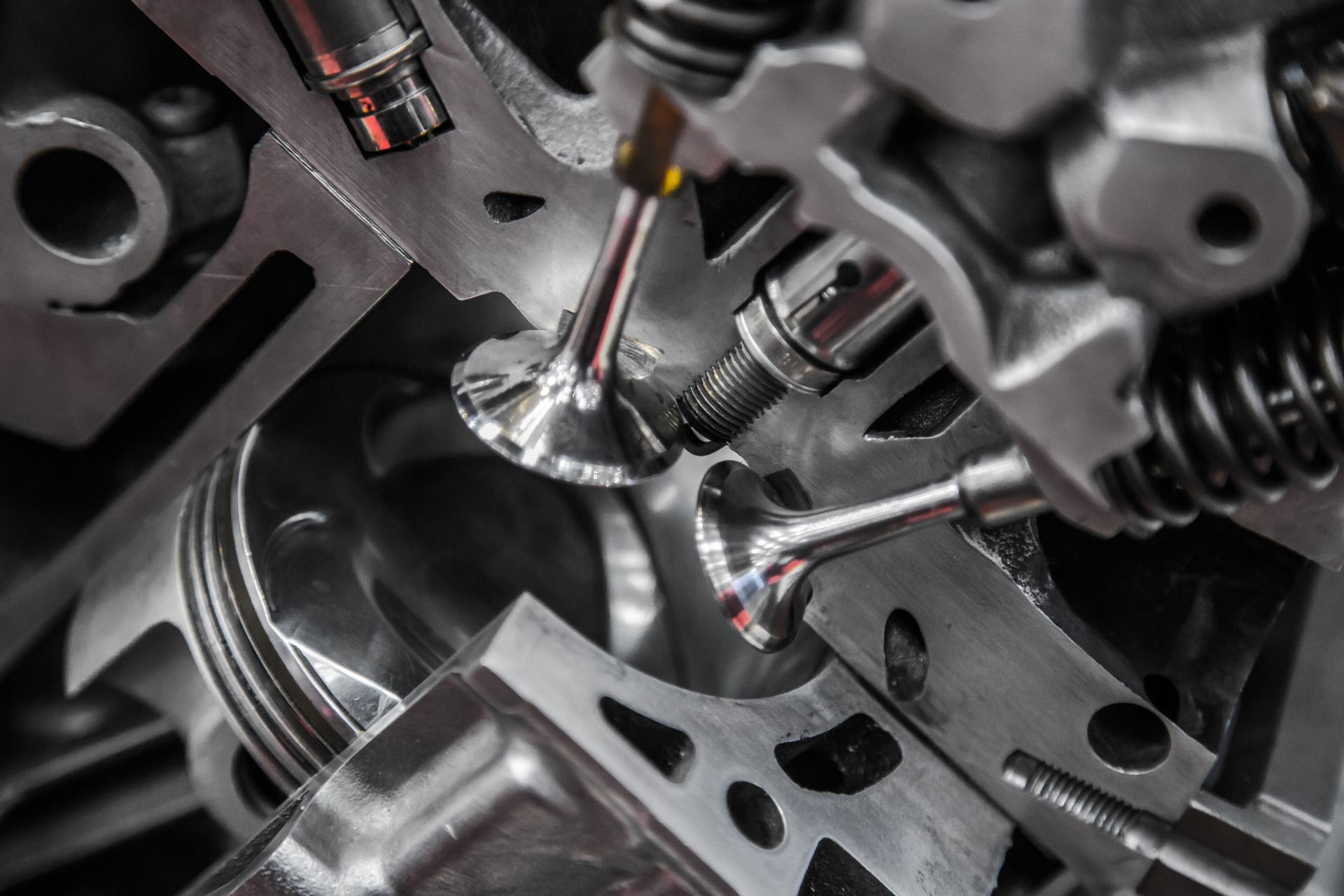
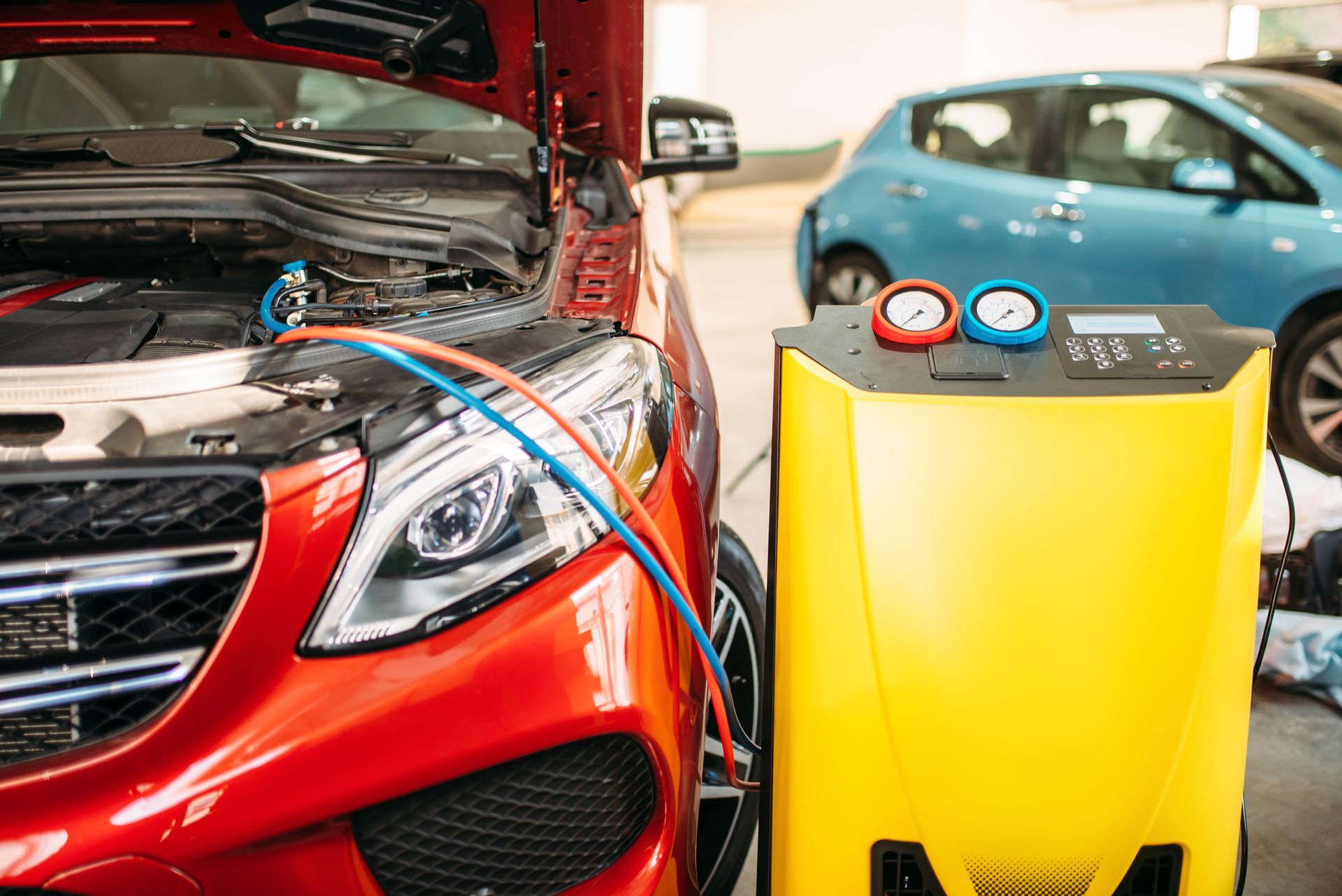
Routine service protects major systems from preventable damage. Engine oil changes preserve bearings, timing components, turbochargers, and variable valve timing systems. Cooling system service protects the engine from corrosion and overheating, while transmission maintenance supports lubrication, hydraulic pressure, and clutch operation.
A small leak or worn component can affect several other parts when it remains unresolved. Coolant loss can cause overheating. Oil contamination can damage belts and mounts. A sticking brake caliper can ruin pads, rotors, and a tire while increasing fuel use.
Regular inspections help identify these concerns while repairs are still focused. Replacing a leaking hose or worn pulley costs far less than repairing an overheated engine or recovering a vehicle after a roadside failure.
Reducing Unplanned Downtime
Unexpected downtime affects far more than one driver. Another employee may need to cover the route, work may need to be reassigned, and customers may experience delays. A replacement or rental vehicle adds another expense and may not be equipped for the same job.
Scheduled maintenance allows the business to choose when a vehicle is unavailable. Service can be arranged during slower periods, between shifts, or when another vehicle is ready to take its place. Parts can also be ordered in advance instead of located during an urgent breakdown.
A practical fleet program tracks:
- Mileage
- Engine hours
- Oil and fluid services
- Tire rotations
- Brake measurements
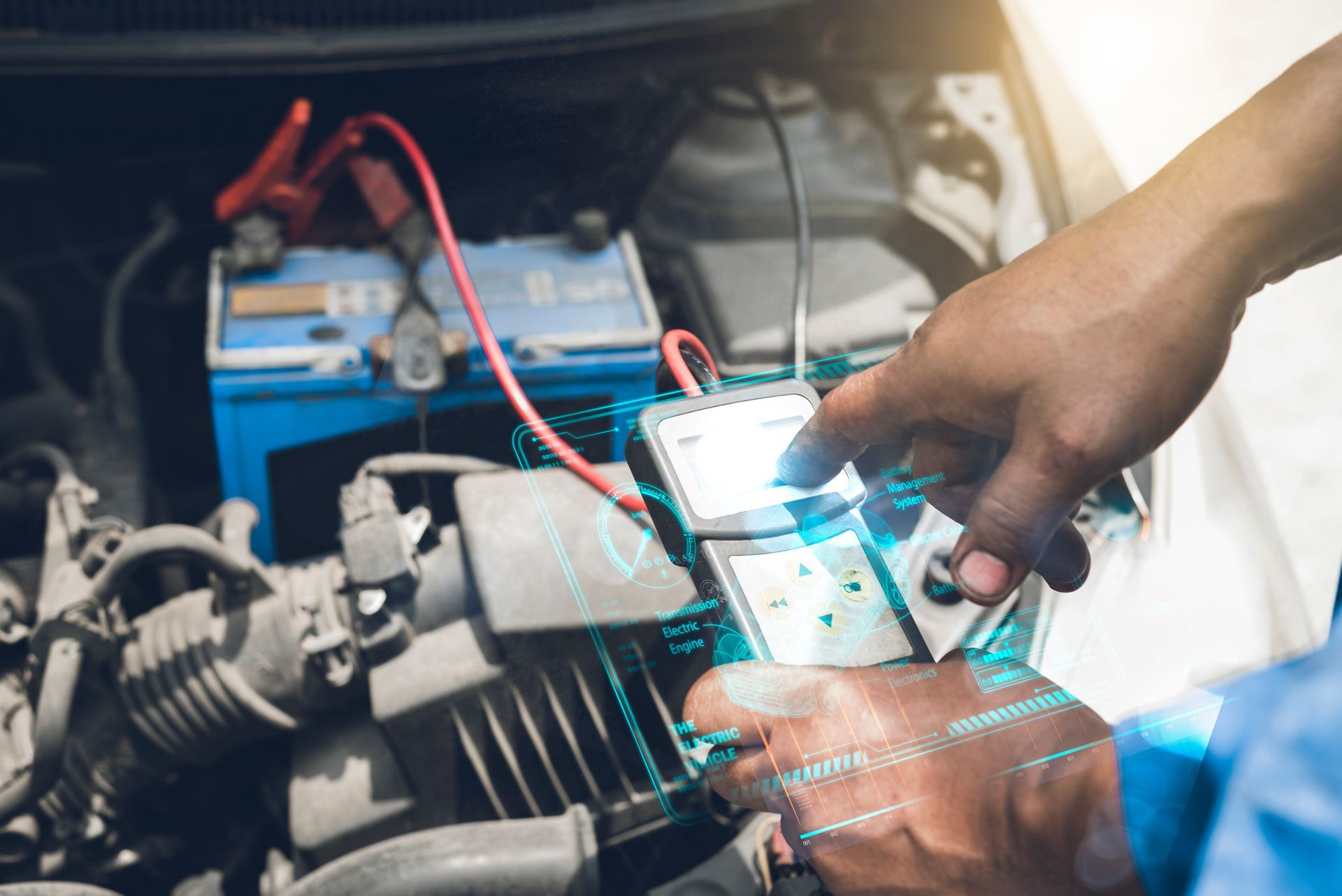
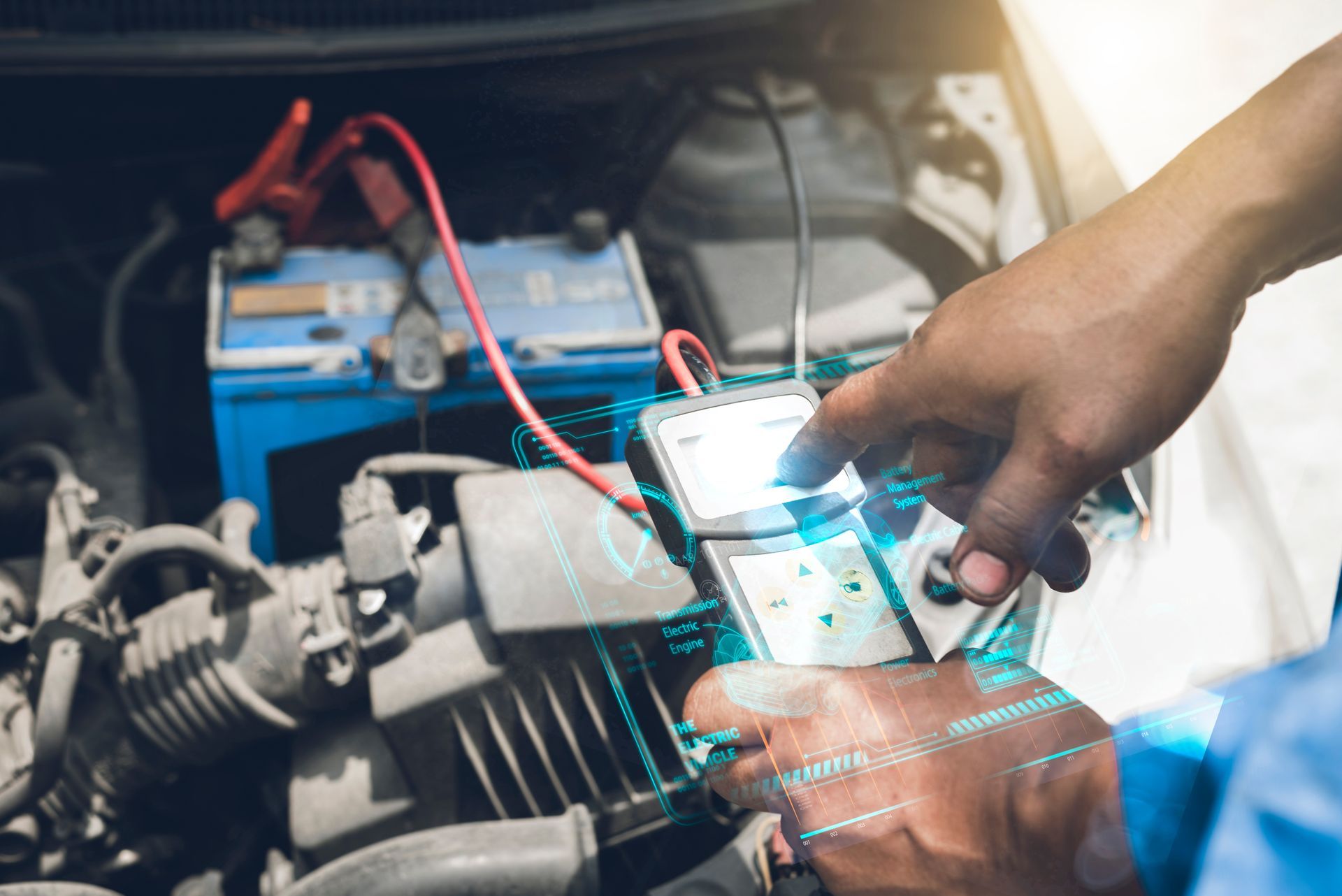
- Battery test results
- Inspection findings
- Upcoming repairs
These records make maintenance predictable and reduce the chance that important work is missed.
Extending Vehicle Service Life
Replacing fleet vehicles too early creates major capital expenses. Keeping them too long without proper care can create repeated repairs and unreliable operation. Consistent maintenance helps businesses get more productive years from each vehicle while identifying when repair costs begin to exceed its value.
Fluids, filters, belts, hoses, spark plugs, batteries, brakes, and drivetrain components all have separate service needs. Completing this work at the proper time reduces internal wear and protects connected systems.
Maintenance records also help managers compare vehicles fairly. A unit with rising oil consumption, repeated transmission faults, or extensive corrosion may be approaching replacement. Another vehicle with higher mileage but strong records and stable operating costs may remain a sound business asset.
Controlling Fuel Consumption
Fuel is one of the largest recurring fleet expenses. Mechanical condition directly affects how much fuel a vehicle uses to perform the same work. Low tire pressure, dragging brakes, incorrect wheel alignment, engine misfires, airflow faults, and overdue spark plugs can all increase consumption.
The effect becomes significant across several vehicles and thousands of miles. A small loss in efficiency on one van may seem minor, but the same condition across an entire fleet can create substantial annual cost.
Fuel-use records can help reveal developing concerns. When one vehicle begins using more fuel on the same route and under a similar load, it should receive an inspection. Diagnostic testing may identify a mechanical or control-system fault before drivability becomes severe.
Protecting Tires, Brakes, And Suspension
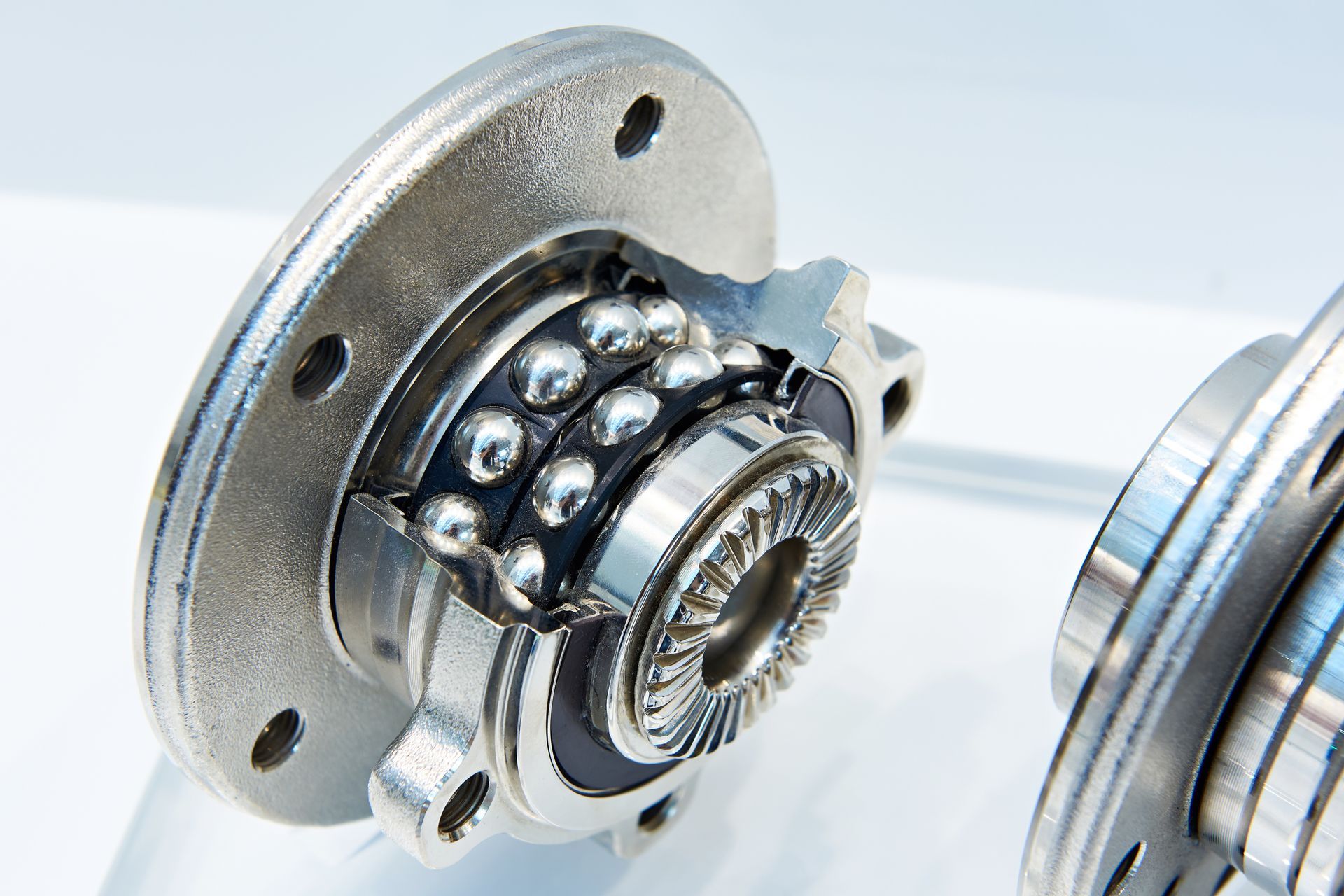
Commercial vehicles often carry tools, equipment, products, or passengers. Added weight increases demand on tires, brakes, wheel bearings, steering parts, and suspension components. Incorrect pressure or alignment can destroy a tire well before its tread should be worn out.
Regular pressure checks, tire rotation, tread measurements, and alignment review help businesses receive the full value from each tire. Matching tires and maintaining proper inflation also improve braking, handling, and stability.
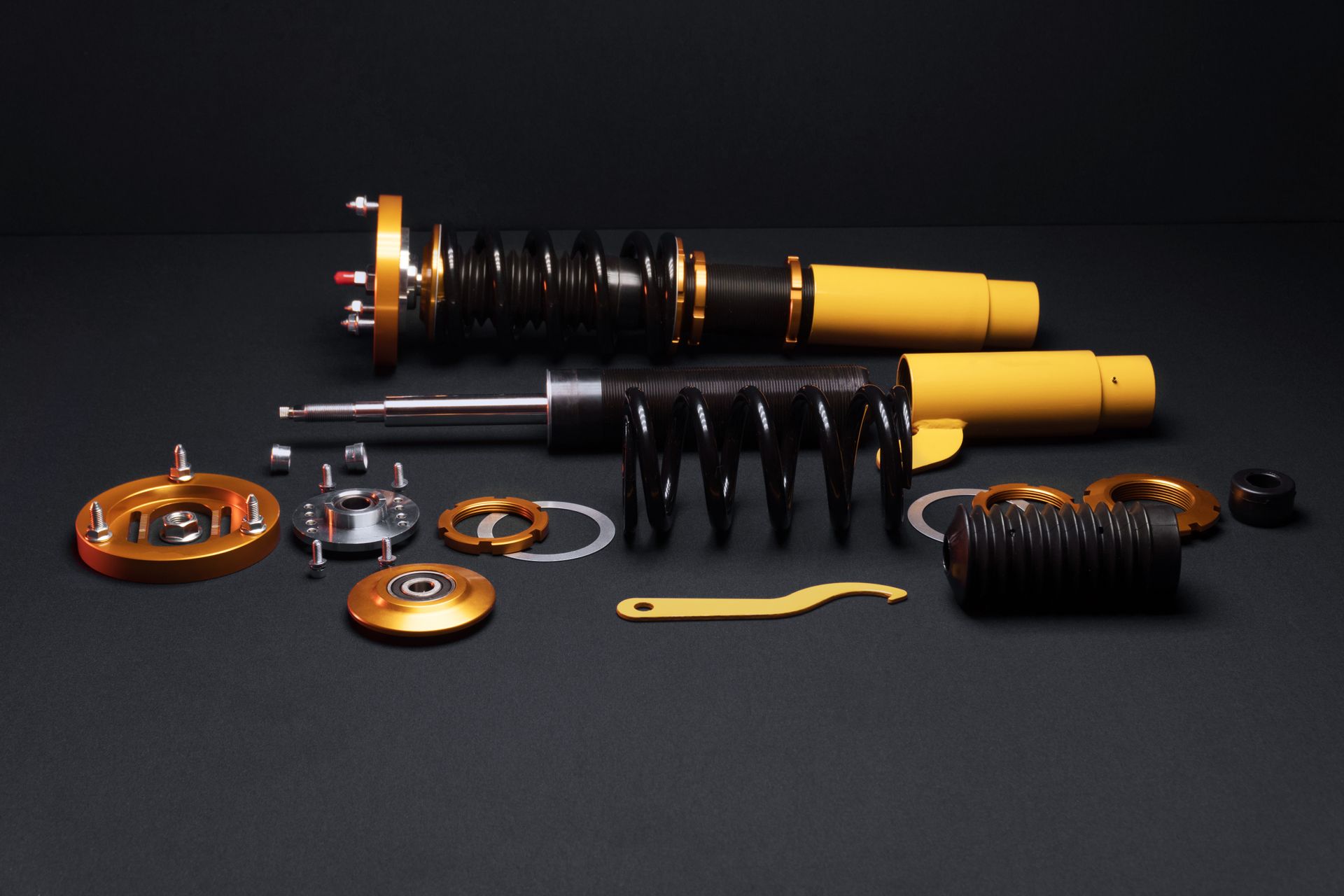
Brake service should include more than pad replacement. Calipers, rotors, hoses, hardware, and brake fluid all affect performance and wear. Suspension looseness should be repaired before alignment because moving components can change wheel angles while driving.
Improving Driver Safety And Productivity
Employees work more efficiently when they trust the vehicles assigned to them. Reliable brakes, stable steering, effective climate control, clear lighting, and dependable starting reduce stress and allow drivers to focus on their routes and responsibilities.
Drivers should have a simple process for reporting changes such as:
- New warning lights
- Fluid spots
- Unusual noises
- Steering pull
- Brake vibration
- Repeated tire pressure loss
- Slow starting
- Rising engine temperature
Reports should be reviewed promptly rather than waiting for the next scheduled service. Drivers often notice early changes before a fault becomes severe, making their input an important part of fleet care.
Using Records To Make Better Business Decisions
Accurate records show the full operating history of each vehicle. Managers can track repair frequency, maintenance spending, fuel use, tire life, downtime, and recurring faults. That information supports better decisions about repair approval, vehicle assignment, and replacement timing.
Records also provide proof that regular maintenance was completed. This can support warranty claims, improve resale value, and give future buyers greater confidence in the vehicle’s condition.
A professional fleet plan should separate immediate safety concerns, overdue services, upcoming maintenance, and repairs that can be monitored. This allows the business to control spending without postponing work that could lead to larger losses.
Get Fleet Maintenance In Chico, CA, With Doctor of Motors
Doctor of Motors in Chico, CA, can help businesses manage scheduled service, inspections, repairs, tires, brakes, fluids, and maintenance records for fleet vehicles.