Running out of fuel feels like a minor mistake until the bill shows up. Beyond the inconvenience and lost time, a true run-dry event can overheat parts, clog filters, and trigger warning lights that do not vanish with a simple refill.
Here is what actually gets hurt, how each issue shows up, and why a quick top-off earlier would have been the cheaper option.
What Really Happens When You Run Dry
When the fuel level drops far enough, the in-tank pump begins drawing air. Pressure in the line collapses, the engine leans out, and you feel a stumble, then a stall. That brief period of starving is when heat builds in the pump, sediment gets stirred, and emissions checks can fail. The car may restart once you add a few gallons, but hidden damage often lingers.
1. Fuel Pump Overheats and Fails
The electric pump inside the tank relies on gasoline for cooling and lubrication. With little or no fuel around it, the pump runs hot and dry. One episode may not kill it, but repeated near-empty drives shorten its life. Early clues include a faint whine from the tank, slow starts after sitting, or hesitation when you try to accelerate up a ramp.
If the pump seizes, the car will crank and never fire. Repair usually means dropping the tank to replace the pump and strainer, which turns a cheap fill-up into a significant service.
2. Clogged Fuel Filter and Strained Injectors
Over years of fill-ups, tiny bits of rust and debris settle at the bottom of the tank. When fuel is low, the pickup can ingest more of that sediment. Your filter is designed to trap it, but a heavy dose can clog the media quickly, starving the rail at high demand. You may feel the engine go flat on hills, or notice a stumble that clears at steady cruise.
If grit gets past the filter, injectors can stick or spray unevenly, which shows up as a rough idle or hard starts. A fuel pressure test and flow check confirm the restriction; the fix is a new filter and, if needed, cleaning or replacing affected injectors.
3. Catalytic Converter Stress from Misfires
As the tank runs dry, cylinders receive an inconsistent mixture and begin to misfire. Raw fuel and excess oxygen hit the catalytic converter, spiking its temperature. One brief event might only set a code, but repeated misfires can crack the honeycomb inside the converter. Symptoms include a rattling sound at idle after shutdown, a sulfur odor, and sluggish power at higher rpm.
Converters are expensive and integral to emissions performance, so avoiding the heat stress is far cheaper than replacing one after a few run-dry episodes.
4. EVAP System Faults and Warning Lights
The evaporative emissions system seals and monitors fuel vapors. Running out of gas, repeated stalls at the pump, or topping off aggressively can confuse pressure checks and trigger leak or purge codes. A loose or over-tightened gas cap can stack its own warning on top. While these faults are usually minor, a glowing light can mask other problems if ignored.
If your check engine light remains on after two or three normal drive cycles post-refuel, a smoke test and EVAP diagnostics are in order.
5. Safety Hazards and Drivetrain Shock
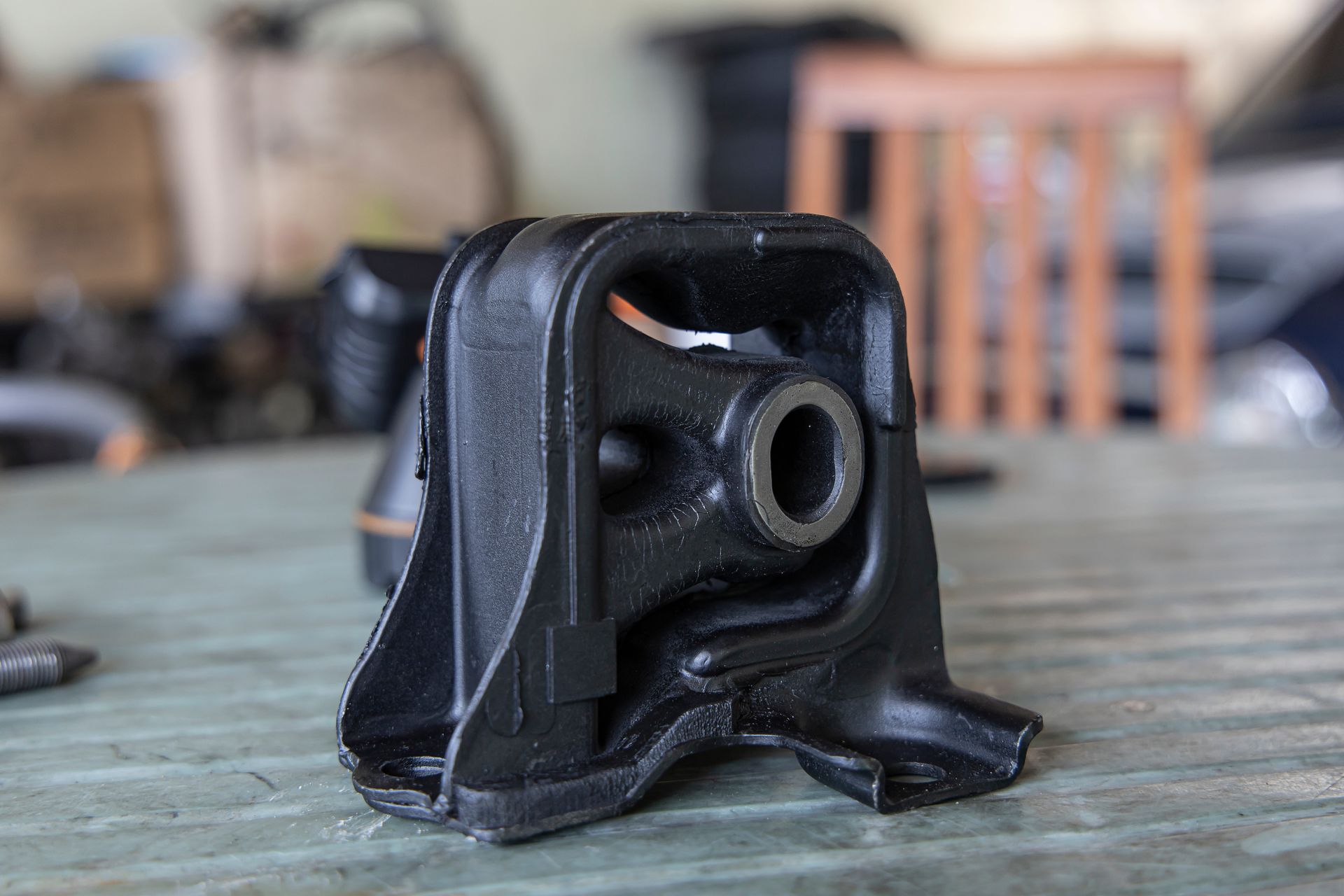
Stalling in traffic or on a narrow shoulder is a safety risk you do not want to repeat. Beyond the hazard, the stop-and-go of restarting on fumes can jolt mounts and driveline components. You might feel harsh engagement shifting back to drive, or hear a clunk as the powertrain loads suddenly.
Isolated once, it is forgettable. Repeated, it helps tear softened mounts and adds play you will feel later as shudder on takeoff.
Avoid a Repeat: Simple Habits That Work
A few small routines prevent most damage and the headache that follows a run-dry scare:
- Refuel at one-quarter tank, not when the light appears.
- Use stations with steady traffic so fuel is fresher and tanks are cleaner.
- If you ran out, consider a precautionary fuel filter replacement.
- After refueling, let the engine idle for a minute to stabilize pressure.
- If the car still stumbles, have fuel pressure and EVAP readiness checked.
When to Seek Professional Help After a Run-Dry
If the engine cranks but will not start after adding fuel, the pump may have overheated. A whining noise from the tank, poor throttle response, or a new check engine light are other reasons to schedule a quick evaluation. A shop can verify pump output, test pressure under load, confirm injector performance, and scan for misfire and EVAP codes.
Catching a weak pump or clogged filter now prevents a tow later and protects the converter from heat damage.
Protect Your Fuel System with Doctor of Motors in Chico, CA
If you recently ran out of gas or the car feels weak after a near-empty episode, we can help. Our technicians check fuel pressure, test the pump and filter, evaluate injector flow, and clear EVAP and misfire issues so performance returns and warning lights stay off.
Visit
Doctor of Motors in Chico, CA, and we will restore smooth starts, strong acceleration, and peace of mind for the miles ahead.