A car that pulls to one side can be subtle at first. You might catch yourself holding the steering wheel a little tighter or constantly nudging it back to center. Then you realize you are fighting the car on every straight road, and it starts getting old fast.
The cause is usually simple once you pin down the pattern.
Why A Car Pulls On Straight Roads
A true pull is when the car drifts to the same side on a reasonably flat, straight road without you steering it there. It is different from following grooves in the pavement or a windy day pushing you around. The tricky part is that a pull can come from tires, alignment angles, braking drag, or looseness in the steering and suspension.
Start by noticing when it began. If it started right after new tires, a rotation, or a pothole hit, that timing is not random. If it has been slowly getting worse over months, wear underneath becomes more likely.
Tire Pressure And Tire Construction Issues
Tire pressure is the quickest thing that can create a pull, even if it is only a few PSI off side-to-side on the same axle. Lower pressure increases rolling resistance, and the car will often drift toward the tire that is softer. This is why the pull can feel worse after a cold night and improve after the tires warm up.
Tires can also cause a pull even when pressures match. A tire with an internal belt shift or uneven stiffness can steer the car slightly, and the pull may change if the tires are rotated. If the pull began right after a tire change, do not ignore that clue, since a tire-related pull is common and easier to solve than chasing deeper issues.
Alignment And Road Crown Differences
Alignment angles determine how the tires meet the road and how the car naturally tracks. If the toe or camber is off, the car can drift, feel twitchy, or wear tires unevenly. Caster differences left to right can also create a steady pull, and it sometimes shows up more at highway speeds.
The road crown complicates things because many roads slope slightly to shed water. A mild drift on one road but not another can be the road, not the car. Still, if the car consistently pulls the same way on multiple roads, alignment needs to be on the short list.
Brake Drag That Feels Like A Pull
A sticking brake caliper can tug a car to one side, and it often gets worse the longer you drive. One wheel can run hotter, and you may notice a sharp odor after parking. Sometimes the pull is most noticeable during light braking, but a severe drag can pull even when you are not touching the pedal.
Brake drag also shortens pad and rotor life quickly. If the wheel on one side is coated in brake dust much faster than the other, that is another hint. We’ve seen drivers chase alignment repeatedly when the real issue was a caliper that was not releasing consistently.
Suspension And Steering Wear Points
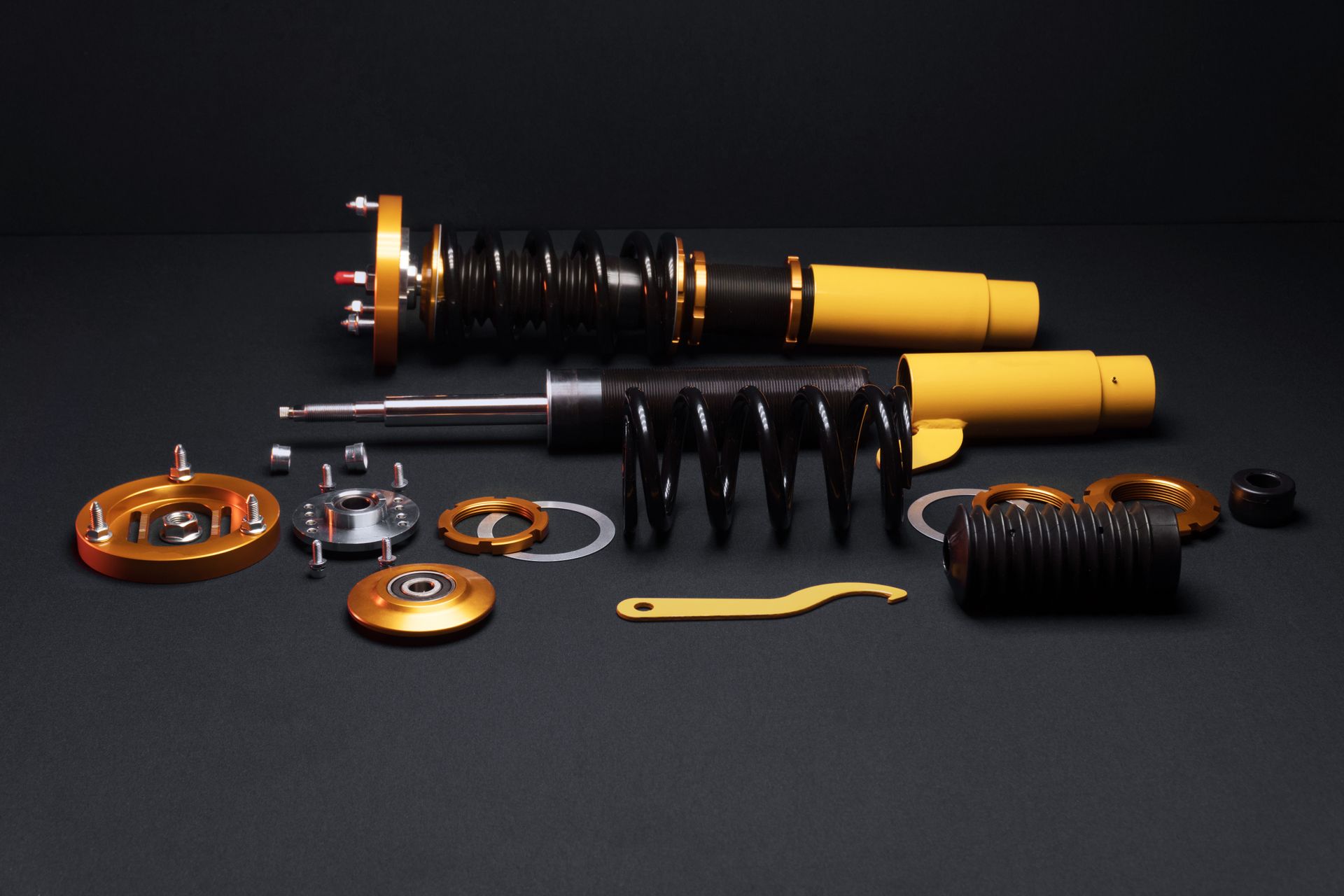
Loose suspension parts can let a wheel change its angle slightly under load, which makes the car feel like it wanders or pulls. Tie rod ends, ball joints, control arm bushings, and strut mounts are common places for play to develop. You might notice the pull is worse over bumps or during quick lane changes.
A worn component can also make alignment hard to hold. You can align it perfectly, but then the angles shift again as the loose part moves. This is why a pull plus clunking noises or vague steering usually means the fix is not just an alignment adjustment.
Quick Checks Before You Schedule Service
You can gather useful information in a few minutes, and it helps narrow the cause without guessing. Keep the checks simple and focus on repeatable results, not one drive in strange conditions. If anything feels unsafe, especially at highway speed, do not keep testing it on the road.
Here are quick checks that are worth doing first:
- Check tire pressures cold and compare left to right on the same axle
- Drive briefly on a flat road and note whether the pull is constant or varies with road shape
- Notice if braking makes the pull stronger or if it is the same while coasting
- Feel for vibration or steering looseness over bumps that suggests wear underneath
This is also a good time to reflect on recent changes. If the pull started after tire work, that is valuable context. If it started after a pothole hit, it could be an angle shift or a bent wheel that needs attention during an inspection.
How We Confirm The Root Cause
The most reliable approach is verifying the basics first, then working outward. We check pressures and tire condition, then confirm whether the pull changes when tires are moved front to back or side to side. After that, we look at alignment readings and the condition of steering and suspension joints.
If the pull suggests brake drag, we check for uneven heat, pad wear patterns, and caliper slide movement. Regular maintenance helps prevent many pulls because it catches uneven tire wear and small looseness before they become obvious. Once the real cause is identified, the fix is usually straightforward and the car stops feeling like it has a mind of its own.
Get Wheel Alignment In Chico, CA, With Doctor of Motors
Doctor of Motors in Chico, CA, can pinpoint whether your pull is coming from tire issues, alignment angles, brake drag, or worn steering and suspension parts, then recommend the right fix based on what we find.
Book a visit and get back to driving straight with less effort.