You booked brake service because the pads were thin. But the steering wheel shakes when you slow down, or the pedal feels strange, or one wheel smells hot after a short drive. Fresh pads alone do not fix every braking problem, and the extra symptoms are worth mentioning before the wheels come off.
The rest of the brake system deserves the same attention as the pads.
1. Brake Pedal Vibration From Worn or Uneven Rotors
If the brake pedal pulses under your foot during a normal stop, the rotors deserve a closer look. Uneven rotor thickness or friction material deposited unevenly on the surface creates a repeated change in braking force as the wheel turns. Drivers sometimes call every pulsation a warped rotor, but the actual cause is sometimes more complicated.
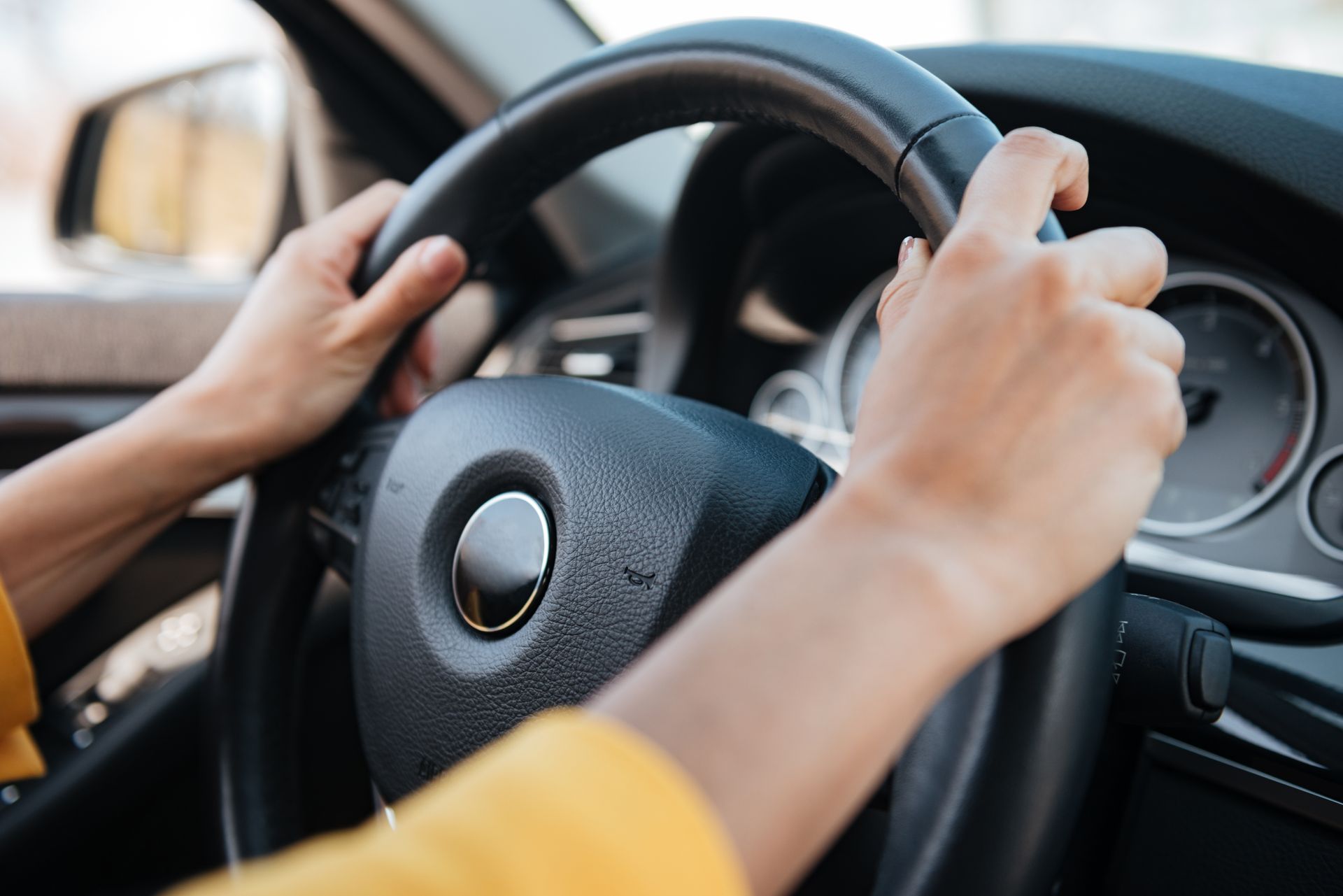
Vibration you feel mainly through the steering wheel often points to the front brake assemblies. Shaking felt through the seat or body sometimes points us toward the rear brakes. We measure rotor condition and thickness, check for runout where appropriate, and inspect mounting surfaces. Putting new pads against a badly worn or uneven rotor leaves you with the same vibration you paid to eliminate.
2. A Sticking Brake Caliper Makes One Wheel Overheat
After normal driving, brakes will be warm. One wheel that becomes unusually hot, smells burnt, or produces far more brake dust than the others raises a different concern. A sticking caliper piston, seized slide pin, or restricted brake hose is keeping the pads in contact with the rotor after you release the pedal.
That constant drag wears pads and rotors quickly. The extra heat discolors the rotor, overheats the brake fluid near that wheel, and makes the car pull while driving. Sometimes the problem begins only after the brakes heat up, so it doesn't show during a quick cold inspection. Replacing pads without fixing the dragging component is likely to ruin the new set.
3. A Soft or Sinking Brake Pedal Signals Hydraulic Trouble
Brake pad wear doesn't normally make the pedal sink toward the floor while you hold steady pressure. A spongy pedal is a sign of trapped air, deteriorated brake fluid, or a hydraulic leak. A pedal that gradually sinks indicates a hydraulic fault, including internal leakage in the master cylinder.
Check for visible fluid loss around the wheels, lines, and under the vehicle, but don't rely on seeing a puddle. Some leaks are difficult to spot without lifting the car. If the pedal approaches the floor or braking effectiveness is reduced, stop driving and arrange towing. New friction material doesn't repair a hydraulic system that cannot hold pressure.
4. Brake Grinding Continues After Pad Replacement
Grinding during braking happens when the friction material is worn away, and the pad backing plate contacts the rotor. Once the pad backing plate has scraped against the rotor, the disc often has deep grooves or other damage that fresh pads will not fix.
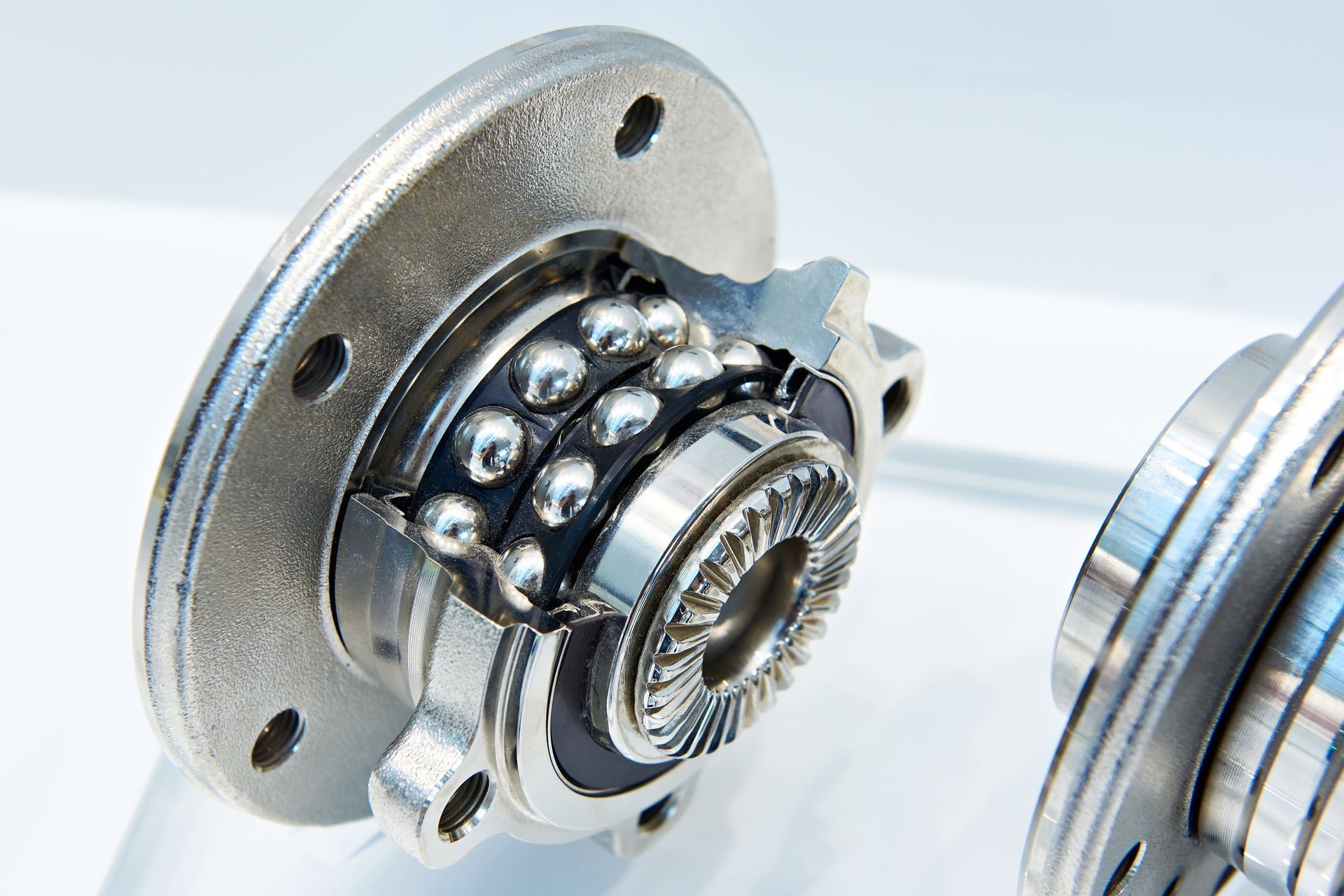
Grinding isn't always caused by worn pads. A bent dust shield, trapped stone, failed hardware, or bearing concern produces noise near a wheel. We look at exactly when the sound occurs: while applying the brake, coasting, turning, or reversing. If a grinding sound continues after a brake job, the repair needs another inspection instead of assuming new pads require a long break-in period.
5. The Car Pulls to One Side When Braking
A vehicle that veers left or right during braking has uneven braking force from one side to the other. A sticking caliper, contaminated pad, restricted hose, or uneven rotor condition can contribute. Loose suspension parts and tire issues sometimes make the pull more noticeable as weight shifts forward.
The important clue is whether the vehicle pulls primarily with the brakes applied or wanders even while cruising. A wheel alignment alone won't correct a caliper that clamps unevenly. We compare pad wear from side to side, check caliper operation, examine hoses, and look for related tire or suspension problems. The goal is predictable braking, not just a pedal that feels firm.
6. Uneven Brake Pad Wear Points to Other Brake Problems
If one inner pad is nearly worn out while the outer pad still looks thick, something about the caliper or its mounting may not be moving freely. A corroded slide pin, seized bracket hardware, or caliper piston issue often prevents even pressure across the pads. Sometimes the pads on one wheel disappear much faster than those on the other side of the axle.
That pattern isn't normal wear you should accept every few months. Our technicians examine the hardware, guide pins, piston movement, rotor surfaces, and brake hoses before installing replacement parts. When both pads on one axle wear at a very different rate than expected, driving conditions and brake system operation deserve a closer look too.
A complete brake inspection goes beyond checking pad thickness. It includes:
- Rotor thickness and surface condition
- Caliper movement and slide pin operation
- Brake fluid condition and hydraulic leaks
- Flexible brake hose and metal line condition
- Whether the inner and outer pads wear evenly
New pads work properly only when the rest of the brake assembly is in good shape.
Get Complete Brake Repair in Chico, CA, With Doctor of Motors
Doctor of Motors in Chico, CA, inspects rotors, calipers, pads, brake hardware, and hydraulic components when a basic pad replacement is not enough.
Have the brakes checked before the next stop requires more pedal travel than you expect.